

- お役立ち記事
- Digital Innovation Transforming the Manufacturing Ecosystem


Digital Innovation Transforming the Manufacturing Ecosystem
In today’s fast-paced world, the manufacturing industry is experiencing a significant transformation, thanks to digital innovation. Gone are the days of manual processes and traditional methods; now, manufacturers are embracing cutting-edge technologies to streamline operations, enhance productivity, and stay competitive in the global market.
目次
Industry 4.0: The Era of Digital Revolution
The term “Industry 4.0” refers to the fourth industrial revolution, characterized by the integration of digital technologies into manufacturing processes. This revolution is marked by the adoption of advanced technologies such as artificial intelligence (AI), Internet of Things (IoT), big data analytics, robotics, and cloud computing.
Enhanced Efficiency and Productivity
Digital innovation has revolutionized every aspect of the manufacturing process, from design and production to supply chain management and customer service. AI-powered algorithms optimize production schedules, minimize downtime, and predict maintenance needs, leading to increased efficiency and reduced costs.
Smart Factories: The Future of Manufacturing
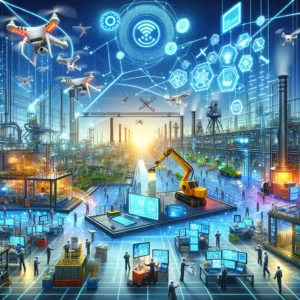
Smart factories are at the forefront of digital innovation in manufacturing. These facilities leverage IoT sensors and connectivity to collect real-time data from equipment and processes. This data is then analyzed to identify inefficiencies, improve quality, and make data-driven decisions. As a result, manufacturers can optimize their operations and respond quickly to changing market demands.
Supply Chain Optimization
Digital innovation has also transformed the supply chain, enabling manufacturers to gain greater visibility and control over their networks. Advanced analytics tools help identify potential bottlenecks and risks, allowing for proactive management and optimization of inventory, logistics, and supplier relationships.
Empowering the Workforce
Contrary to fears of job displacement, digital innovation is empowering the manufacturing workforce. Automation and robotics handle repetitive tasks, freeing up employees to focus on more complex and value-added activities. Additionally, digital technologies provide workers with access to real-time information and training, enhancing their skills and productivity.
Conclusion
Digital innovation is revolutionizing the manufacturing ecosystem, driving unprecedented levels of efficiency, productivity, and competitiveness. Embracing these technologies is no longer an option but a necessity for manufacturers looking to thrive in the digital age. By leveraging Industry 4.0 principles and adopting smart technologies, manufacturers can unlock new opportunities for growth and innovation, paving the way for a brighter future in manufacturing.


 調達購買アウトソーシング
 OEM/ODM 生産委託
 NEWJI DX
 受発注AIエージェント