

- お役立ち記事
- Innovative processing technology in tanned leather and its market trends [for industry engineers]

Innovative processing technology in tanned leather and its market trends [for industry engineers]

目次
Introduction to Tanned Leather Processing
Tanned leather processing has long been an industry steeped in tradition and craftsmanship.
However, recent innovations in processing technology are revolutionizing the methods used to produce high-quality leather.
These advancements not only streamline production but also address growing consumer demands for sustainability and ethical manufacturing practices.
What is Tanning?
Tanning is the process that transforms raw animal hides into leather.
By using chemical or natural substances, tanning stabilizes the protein structure of the hide, making it more durable and resistant to decomposition.
The traditional tanning methods can be classified into vegetable tanning, chrome tanning, and alternative tanning processes.
Each method offers distinct qualities and applications, contributing to the diverse uses of leather in various industries.
Innovative Processing Technologies
With the advancement of technology, the leather industry is witnessing a transformative phase.
Cutting-edge innovations are dramatically changing the landscape of tanned leather processing.
Some of these include:
Enzymatic Tanning
Enzymatic tanning is an eco-friendly alternative that circumvents the need for harsh chemicals.
It uses natural enzymes to develop leather with similar qualities to traditionally tanned leather but with a reduced environmental impact.
Enzymatic processes are not only advantageous in terms of environmental sustainability, but they also offer increased efficiency in processing time and cost-effectiveness.
Dyeing Advances
Another area of innovation is in leather dyeing techniques.
New methods focus on water-based dyes and finishing processes that ensure vibrant colors with minimal environmental harm.
These eco-conscious methods help reduce water and chemical usage, providing a safer working environment and reducing production costs.
Biotechnology in Leather Making
Biotechnology is playing a crucial role in the development of the leather industry.
Researchers are leveraging biotechnology to develop lab-grown leather, which bypasses traditional animal hides altogether.
This type of leather is known not only for its ecological benefits but also for its customizable properties, paving the way for personalized consumer goods.
Market Trends in Tanned Leather
The global demand for leather is shifting as consumer preferences evolve toward environmentally friendly products.
Market trends indicate a growing demand for leather goods that make use of innovative processing technologies:
Demand for Sustainable Leather
With an increasing focus on sustainability, consumers are driving demand for eco-friendly leather products.
Manufacturers are responding by adopting cleaner production processes and sourcing materials sustainably.
This shift is not only beneficial for the environment but also offers a competitive advantage in a conscious marketplace.
Rise of Smart Technology Integration
The integration of smart technology in leather products is gaining traction.
Innovations such as leather products with embedded sensors for smart wearables demonstrate emerging applications that broaden the consumer market.
As a result, the industry is forced to adapt to technological advancements and explore new potentials beyond traditional applications.
Customization and Personalization
Modern consumers demand products that offer personalization and unique designs.
The leather industry is no exception, with businesses using digital manufacturing and 3D printing to meet these needs.
This offers consumers the opportunity to purchase exclusive items tailored to their individual preferences.
Challenges Faced by the Industry
Despite these positive trends, the leather industry faces several challenges:
Ethical Issues
Ethical concerns regarding animal welfare and environmental impact continue to pose significant challenges to traditional leather manufacturing.
Industries are compelled to be more transparent about sourcing and production methods to build consumer trust.
Cost of Innovation
While technological advancements present many opportunities, there is a significant cost associated with adopting these new processes.
Businesses must weigh the benefits against the financial outlay needed to remain competitive.
Conclusion: The Future of Tanned Leather
The future of tanned leather lies in embracing these technological advancements and adapting to market demands.
As processing technologies evolve, they will likely continue to minimize environmental impact, reduce costs, and open up new applications for leather products.
For industry engineers, staying abreast of these developments will be crucial in shaping the next era of leather production.
By leveraging innovation, the tanning industry can meet contemporary challenges and ensure its viability for future generations.
この記事の理解を深める
無料ホワイトペーパーをプレゼント
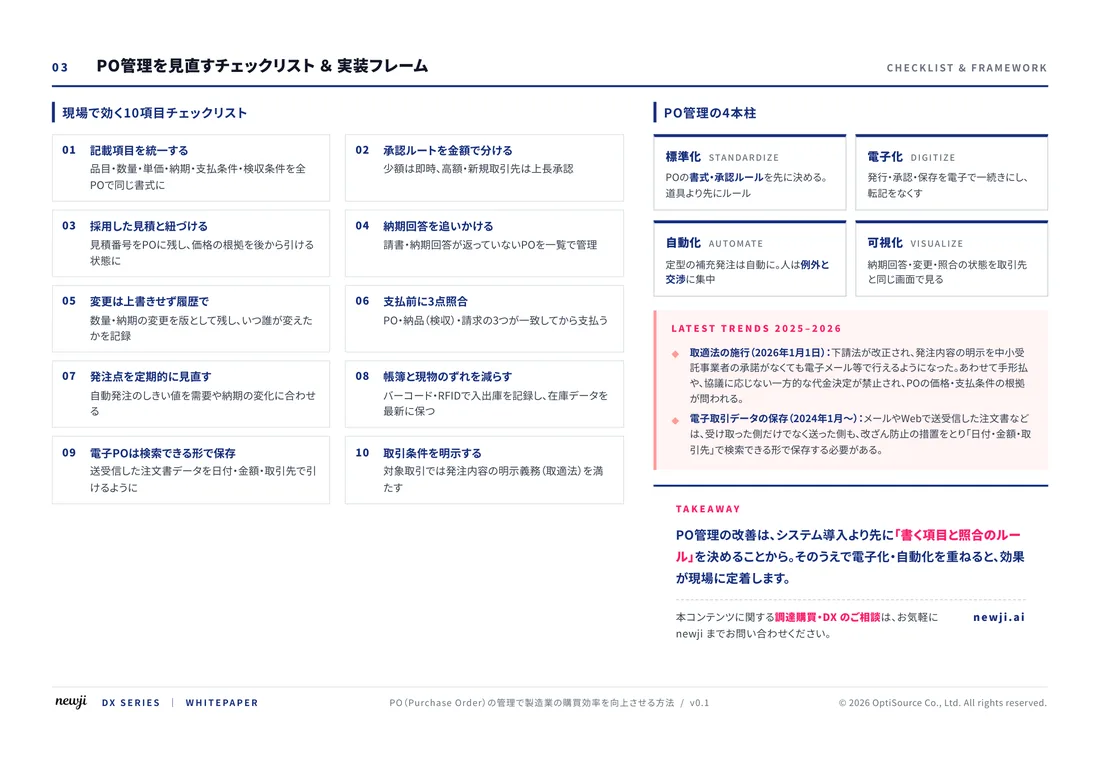
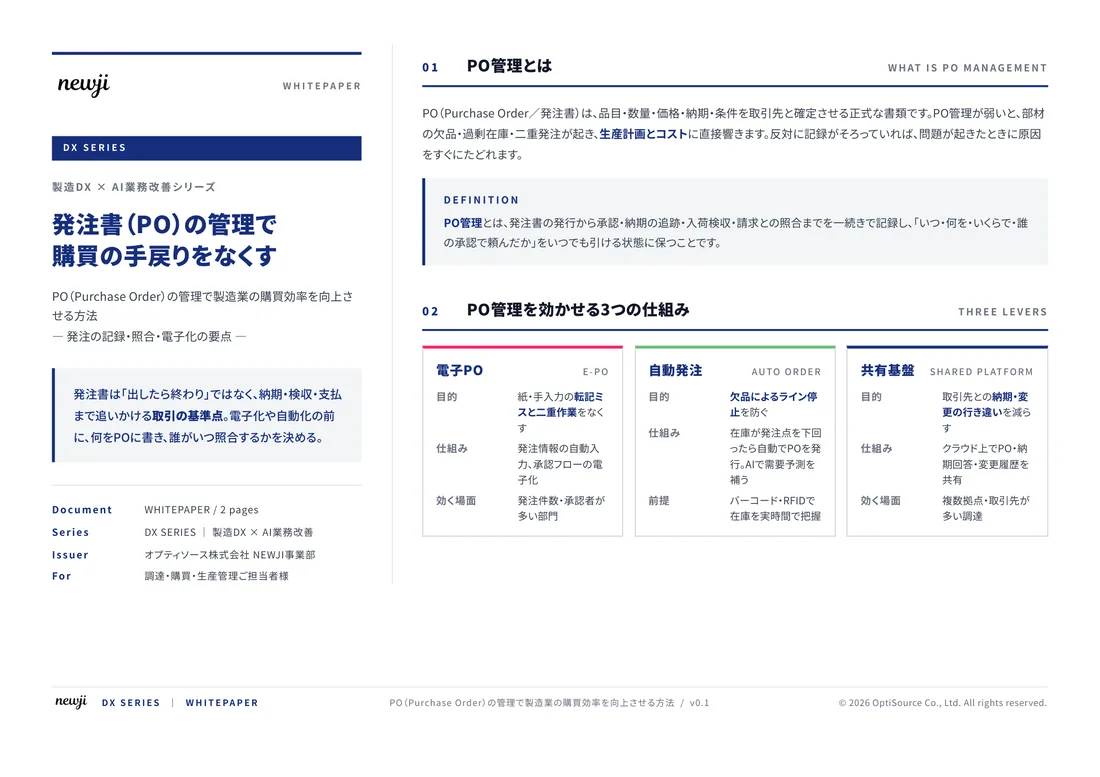
製造業の現場で使える実務資料(PDF)を無料でお届けします。"こんな資料が届きます" ↓ 下のボタンからどうぞ。
FREE DOCUMENT — サービス資料(PDF・無料)
製造業の見積・受発注クラウド
「Newji one」とは
Newji one は、製造業の調達・受発注に特化したクラウド/AIエージェント。見積依頼・発注書作成・進捗管理・承認をひとつの画面に集約し、AIが比較と異常検知を担当。最後の「GO」だけ人が押す仕組みです。
▶ 製造業の見積・受発注クラウド「Newji one」を、資料で見る(PDF・無料)
- 見積〜発注〜納期を一元管理。催促・転記のムダをゼロに
- AIが相見積もり比較と異常検知。あなたは判断だけに集中
- 取引先は「招待」で完全無料。自社コストだけで取引先ごとデジタル化
※ 取引先から招待された企業様は完全無料でご利用いただけます
関連記事
-

Transforming Modern Electronics: Unleashing the Potential of Silicon-on-Insulator (SOI) Technology for Enhanced Industry Recognition and Market Expansion
-

革の伸び (Leather Elongation)の測定と購買プロセスでの対応法
-

しなやかさ(Leather Suppleness)の測定と製造業での利用方法
-
トップグレインレザー(Top-grain Leather)の特長と製造業での利用方法
-
コレクテッドグレインレザー(Corrected-grain Leather)の特性と製造業での応用方法
-
革の伸び (Leather Elongation)の測定と製造業での対応方法
 NEWJI総研
 OEM/ODM 生産委託
 AI/DX支援
 見積・発注クラウド Newji one
受発注が増えるほど、入力・確認・催促が重くなる。
受発注管理を“仕組み化“して、ミスと工数を削減しませんか。
見積・発注・納期まで一元管理できます。