

- お役立ち記事
- Differences between domestic and imported materials – analysis from the perspectives of quality, price, and environmental impact

Differences between domestic and imported materials – analysis from the perspectives of quality, price, and environmental impact

目次
Introduction
In today’s global market, making choices between domestic and imported materials is a common dilemma for businesses and consumers alike.
These decisions are often influenced by various factors such as quality, price, and environmental impact.
Understanding the differences between domestic and imported materials can help in making informed decisions.
Quality Considerations
Domestic Materials
Domestic materials often have the advantage of being more consistent in quality due to stricter regulations and standards.
Local manufacturers are familiar with regional requirements and can ensure that their products meet these standards.
This can lead to enhanced durability and performance of the products made from such materials.
Moreover, domestic companies tend to have shorter supply chains, which can improve quality control and allow for quicker response to any issues that may arise.
Imported Materials
On the other hand, imported materials offer access to a wider array of resources and can often be sourced from regions known for particular strengths.
For example, specific countries might be renowned for producing high-quality textile fibers or durable metals.
However, the quality of imported materials can vary significantly due to different manufacturing standards and regulations.
Hence, it is critical for buyers to conduct thorough research and engage with trusted suppliers to ensure consistent quality.
Price Comparison
Cost of Domestic Materials
One of the primary advantages of domestic materials is the potential cost savings on shipping and logistics.
Since these materials are sourced closer to home, the transportation costs and import duties are typically lower.
However, domestic materials might sometimes carry a higher price tag due to higher labor costs and production expenses in some regions.
Cost of Imported Materials
In contrast, imported materials may appear less expensive because they might benefit from lower manufacturing costs overseas.
Countries with lower labor costs can produce materials at a more competitive price.
However, the cost savings might be offset by import fees, tariffs, and higher shipping charges.
Additionally, exchange rate fluctuations can also impact the overall cost of imported materials, making it important for businesses to consider these factors when budgeting.
Environmental Impact
Impact of Domestic Materials
Opting for domestic materials can contribute positively to the environment by minimizing transportation-related carbon emissions.
Less distance traveled translates to a smaller carbon footprint.
Furthermore, locally sourced materials often adhere to stringent environmental regulations, promoting sustainability and reduced pollution.
Impact of Imported Materials
While imported materials offer diversity and often cost savings, they can have a significant environmental impact due to the long distances they travel.
The carbon emissions related to shipping and air transport are considerable, drawing concern from environmentally conscious consumers.
Additionally, many countries exporting materials may not follow strict environmental regulations, leading to issues such as deforestation and pollution in their processes.
Decision-Making Factors
When deciding between domestic and imported materials, businesses and consumers should weigh the above factors.
A strong understanding of the product’s end-use and target market can guide this decision.
For example, if a company’s customer base values sustainability, the environmental impact may hold more weight in the decision-making process.
For businesses focused on cost efficiency while maintaining quality, a balanced approach might involve a mix of domestic and imported materials.
This approach can optimize different attributes, such as cost, availability, and quality.
Conclusion
In summary, the choice between domestic and imported materials is not straightforward and depends on multiple factors including quality, price, and environmental impact.
The key is to assess the specific requirements of your business or project and to source materials that best align with these needs.
By considering these aspects, businesses and consumers can make informed decisions that not only benefit their operations but also align with broader environmental and societal values.
この記事の理解を深める
無料ホワイトペーパーをプレゼント
製造業の現場で使える実務資料(PDF)を無料でお届けします。"こんな資料が届きます" ↓ 下のボタンからどうぞ。
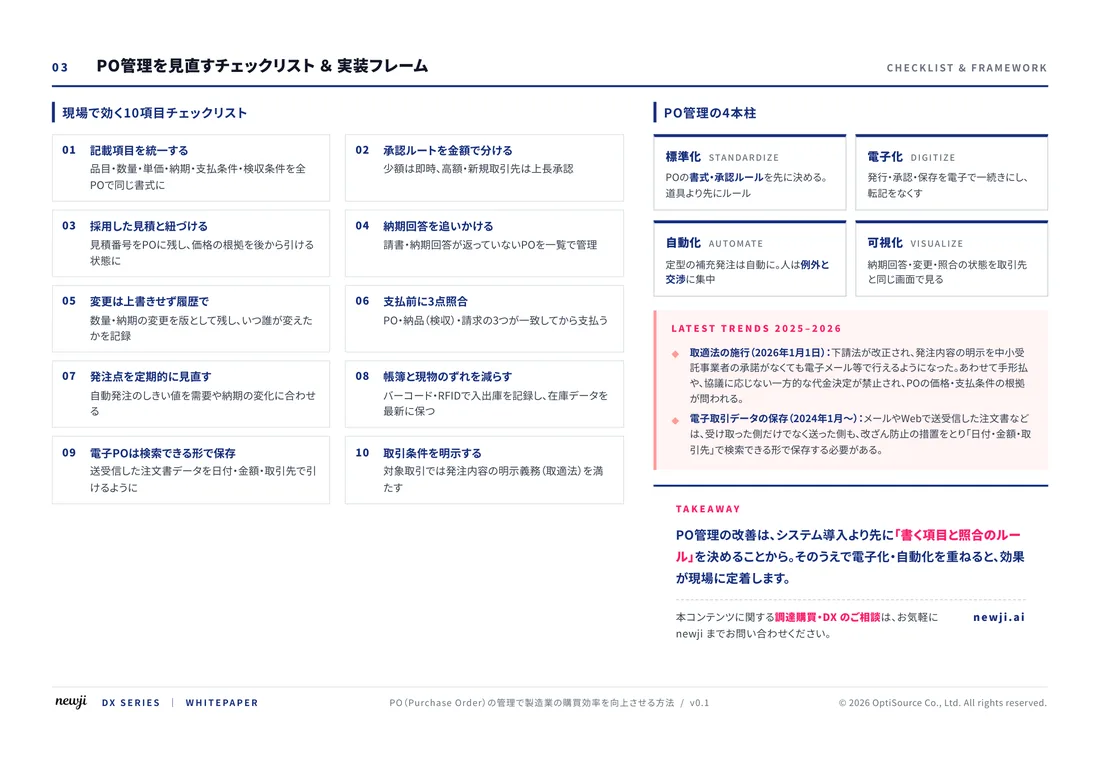
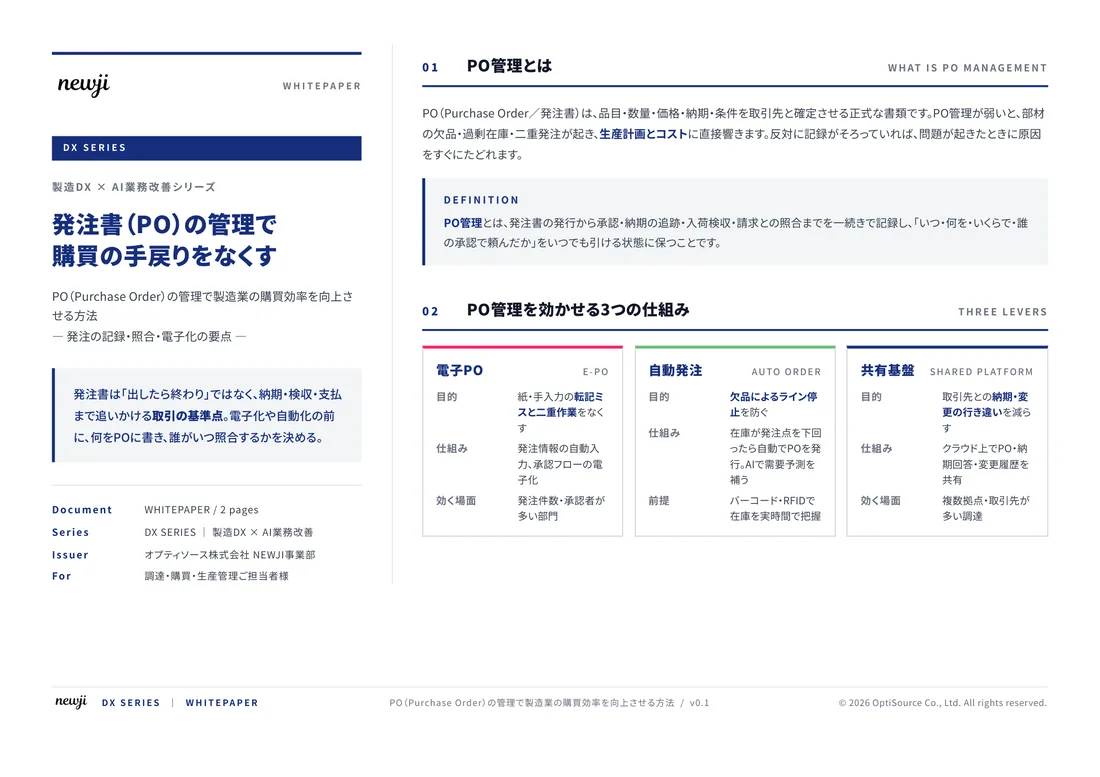
FREE DOCUMENT — サービス資料(PDF・無料)
製造業の見積・受発注クラウド
「Newji one」とは
Newji one は、製造業の調達・受発注に特化したクラウド/AIエージェント。見積依頼・発注書作成・進捗管理・承認をひとつの画面に集約し、AIが比較と異常検知を担当。最後の「GO」だけ人が押す仕組みです。
▶ 製造業の見積・受発注クラウド「Newji one」を、資料で見る(PDF・無料)
- 見積〜発注〜納期を一元管理。催促・転記のムダをゼロに
- AIが相見積もり比較と異常検知。あなたは判断だけに集中
- 取引先は「招待」で完全無料。自社コストだけで取引先ごとデジタル化
※ 取引先から招待された企業様は完全無料でご利用いただけます
関連記事
-

取引基本契約の英日対訳で価格条項を有利にする法務の勘所
-

Reducing Energy Efficiency and Environmental Impact The Path Paved by Digital
-
Energy Efficiency Improvement Strategies! Cost Reduction and Environmental Impact Reduction in Manufacturing
-
Transition to Sustainable Manufacturing Processes
-
PPV(Price Per Volume)を理解して製造コストを最適化する
-

Quality Management Innovation AI and Machine Learning Solving Manufacturing Quality Challenges
 NEWJI総研
 OEM/ODM 生産委託
 AI/DX支援
 見積・発注クラウド Newji one
受発注が増えるほど、入力・確認・催促が重くなる。
受発注管理を“仕組み化“して、ミスと工数を削減しませんか。
見積・発注・納期まで一元管理できます。