

- お役立ち記事
- What are the Key Success Stories of Manufacturing DX?


What are the Key Success Stories of Manufacturing DX?
In today’s rapidly evolving manufacturing landscape, digital transformation (DX) has become a key driver of success for companies looking to improve efficiency, reduce costs, and enhance competitiveness. Let’s delve into some key success stories that showcase the transformative power of DX in the manufacturing industry.
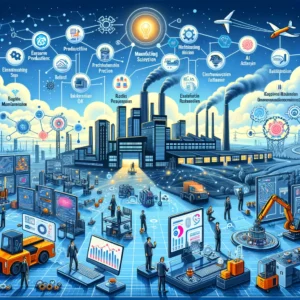
the Key Success Stories of Manufacturing DX
1. Increased Operational Efficiency
Company XYZ, a leading manufacturer, implemented advanced automation and IoT technologies as part of their DX initiatives. By connecting machines, processes, and systems in real-time, they achieved seamless production flow, optimized resource utilization, and reduced downtime. As a result, Company XYZ saw a significant increase in operational efficiency, leading to higher productivity and cost savings.
2. Enhanced Product Quality
Manufacturer ABC leveraged AI-powered predictive analytics and machine learning algorithms to enhance product quality as part of their DX strategy. By analyzing data from sensors and production processes, they were able to identify defects early on, prevent quality issues, and ensure consistent product standards. This not only improved customer satisfaction but also reduced rework and waste, ultimately driving higher profitability for Manufacturer ABC.
3. Streamlined Supply Chain Management
Company DEF, a global manufacturing giant, implemented an integrated platform for end-to-end supply chain management as part of their DX journey. By digitizing procurement, inventory, logistics, and demand forecasting processes, they achieved real-time visibility across the supply chain, improved inventory accuracy, and optimized supplier relationships. This streamlined approach led to faster response times, lower inventory holding costs, and improved overall supply chain performance for Company DEF.
4. Accelerated Innovation
Manufacturer GHI embraced digital technologies such as 3D printing, virtual reality, and collaborative platforms to foster a culture of innovation and creativity within their organization. By enabling cross-functional collaboration, knowledge sharing, and rapid prototyping, GHI was able to accelerate product development cycles, bring innovative products to market faster, and stay ahead of competitors in a rapidly changing industry landscape.
5. Improved Customer Experience
Company JKL, a niche manufacturer, used customer data analytics and personalization tools to enhance the customer experience as part of their DX strategy. By understanding customer preferences, behavior patterns, and feedback, they tailored products and services to meet individual needs, driving customer loyalty and retention. This customer-centric approach not only increased sales but also established Company JKL as a trusted brand in the market.
In conclusion, these success stories demonstrate the tangible benefits of embracing digital transformation in the manufacturing industry. From operational efficiency and product quality to supply chain management and customer experience, DX presents a wealth of opportunities for companies to innovate, grow, and thrive in today’s digital era. By leveraging cutting-edge technologies and strategies, manufacturers can unlock new levels of success and competitiveness in an increasingly digital world.
関連記事
-

DX Revolutionizing Manufacturing Supply Chain Optimization
-
Streamlining Manufacturing Processes with Smart Inventory Management
-
Shaping the Future of Manufacturing: Digital Transformation Success Stories
-

Supply Chain Optimization Digital Tools to Solve Manufacturing Challenges
-
Catching the Wave of Innovation at the Forefront of Digitalization in Manufacturing
-

上海市の通信機械製造業:営業力とセールス技術で市場をリードする方法

 調達購買アウトソーシング
 OEM/ODM 生産委託
 NEWJI DX
 受発注AIエージェント