

- お役立ち記事
- The Connected Factory The Use and Impact of IoT in Manufacturing


The Connected Factory The Use and Impact of IoT in Manufacturing
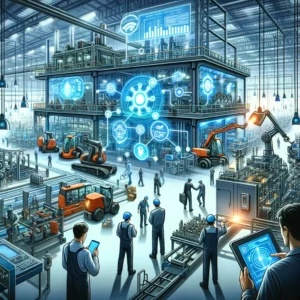
In today’s rapidly evolving manufacturing landscape, the integration of Internet of Things (IoT) technology has revolutionized the way factories operate. Known as the Connected Factory, this innovative approach leverages IoT to optimize processes, enhance efficiency, and drive business growth. Let’s delve into the use and impact of IoT in manufacturing.
目次
Introduction to IoT in Manufacturing:
IoT refers to the network of interconnected devices that collect and exchange data over the internet. In manufacturing, IoT-enabled devices, sensors, and machines communicate in real-time, enabling seamless data sharing and analysis. This connectivity creates a smart ecosystem where machines, systems, and humans interact efficiently.
Impact of IoT in manufacturing
Enhancing Operational Efficiency:
One of the primary benefits of IoT in manufacturing is the enhancement of operational efficiency. By integrating sensors into machinery and equipment, manufacturers can monitor performance metrics, predict maintenance needs, and prevent downtime. Real-time data analytics enable proactive decision-making, leading to optimized production processes and reduced operational costs.
Improving Quality Control:
IoT technology plays a crucial role in improving quality control in manufacturing. By gathering data on product specifications, production parameters, and environmental factors, manufacturers can ensure consistent quality standards. IoT-enabled quality control systems detect defects early, minimize rework, and enhance product reliability, ultimately boosting customer satisfaction.
Enabling Predictive Maintenance:
Predictive maintenance is a key application of IoT in manufacturing. By monitoring equipment performance through sensors and predictive analytics, manufacturers can identify potential issues before they escalate. Predictive maintenance helps prevent costly breakdowns, prolong asset lifespan, and schedule repairs proactively, leading to increased productivity and reduced maintenance expenses.
Facilitating Supply Chain Management:
IoT facilitates seamless supply chain management in manufacturing. By tracking inventory levels, monitoring shipments, and optimizing logistics, manufacturers can streamline processes and improve visibility across the supply chain. Real-time data insights enable agile decision-making, enhance collaboration with suppliers, and ensure on-time delivery to meet customer demands.
Empowering Decision-Making:
The use of IoT data analytics empowers manufacturers to make informed decisions based on real-time insights. With predictive analytics, machine learning algorithms, and AI technologies, manufacturers can optimize production planning, resource allocation, and inventory management. Data-driven decision-making leads to greater efficiency, agility, and competitiveness in the global market.
Conclusion:
The integration of IoT in manufacturing has transformed traditional factories into connected, intelligent ecosystems. By harnessing the power of IoT technology, manufacturers can enhance operational efficiency, improve quality control, enable predictive maintenance, facilitate supply chain management, and empower decision-making. The Connected Factory represents a new era of smart manufacturing, driving innovation, growth, and sustainable success in the industry.


 調達購買アウトソーシング
 OEM/ODM 生産委託
 NEWJI DX
 受発注AIエージェント