

- お役立ち記事
- Building a Digital Infrastructure to Support the Next Generation of Manufacturing


Building a Digital Infrastructure to Support the Next Generation of Manufacturing
Manufacturing has come a long way from the early days of the industrial revolution. What was once done entirely by hand is now heavily reliant on advanced technology and digital processes. As manufacturing continues to evolve, a robust digital infrastructure will be critical to support the next generation of advanced manufacturing techniques.
Advanced manufacturing utilizes innovative technologies like robotics, artificial intelligence, 3D printing, and more. These technologies are transforming how products are designed and made. They enable mass customization, more flexible production processes, and data-driven decision making. However, to fully realize their potential benefits, advanced manufacturing requires a connected digital platform to power it.
目次
key components of a digital infrastructure for advanced manufacturing
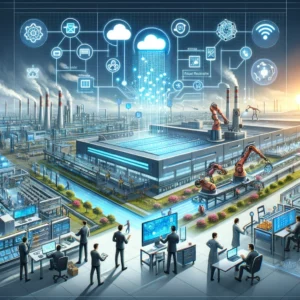
That is where digital infrastructure comes in. A strong digital infrastructure acts as the backbone that connects advanced manufacturing technologies, allows them to communicate and share data seamlessly, and facilitates digital processes across the entire manufacturing value chain from design to production to sales. Some of the key components of a digital infrastructure for advanced manufacturing include:
Internet connectivity
Reliable, high-speed internet connectivity is essential for connecting various manufacturing devices, machines, and systems. 5G networks can enable faster data transfer speeds needed for technologies like real-time data analytics. Wireless networks within factories also allow seamless communication between devices.
Cloud computing
The cloud provides scalable, on-demand computing power and data storage capabilities. Manufacturers can run resource-intensive applications and analyze massive volumes of sensor and production data in the cloud. The cloud also facilitates collaboration and sharing of design files, production schedules, and more between different stakeholders.
Industrial internet of things (IIoT)
IIoT connects various industrial machines, devices, and sensors within manufacturing facilities to the cloud via internet connectivity. This allows real-time monitoring and control of manufacturing processes and equipment. Data collected from sensors helps identify issues, optimize processes, and drive predictive maintenance.
Cybersecurity
As manufacturing operations become more interconnected and reliant on digital technologies, cybersecurity takes on greater importance. Strong identity and access management, antivirus protection, firewalls, encryption and more are needed to safeguard manufacturing systems, production data, product designs and intellectual property from cyber threats.
benefits of robust digital infrastructure in manufacturing
A robust digital infrastructure is as important for advanced manufacturing as physical infrastructure like roads and electricity are for traditional manufacturing. It provides the foundation to leverage cutting-edge technologies, modernize facilities, integrate digital processes, and drive efficiencies. Some ways it specifically benefits manufacturers include:
Automation and Flexibility
Connected machines and real-time data collection enable fully automated, lights-out operations with minimal human intervention. At the same time, flexibility is increased through seamless reconfiguration of production lines based on changing demands.
Remote Monitoring and Management
Manufacturers can remotely monitor production KPIs, equipment health, energy usage and more from anywhere using internet-enabled devices and cloud-based interfaces. Issues can be addressed promptly to minimize downtime.
Data-Driven Decision Making
Comprehensive analysis of manufacturing and operational data helps optimize processes and resources, improve product quality, anticipate maintenance needs and make production adjustments data-driven decisions.
Customization at Scale
Technologies like 3D printing facilitated by a connected infrastructure allow on-demand, customized manufacturing at scale to better meet client needs. Mass customization becomes a reality.
New Revenue Models
By leveraging detailed usage and performance data collected from connected products, manufacturers can offer new paid services like remote upgrades, consumables replenishment and pay-per-use models for additional recurring revenue streams.
Building a robust digital manufacturing ecosystem requires strong partnerships between technology providers, telecom companies and manufacturers to develop the right infrastructure solutions. It also demands investment in skills development to cultivate an advanced manufacturing workforce with expertise in both industrial operations and emerging digital technologies. Such efforts will help future-proof domestic manufacturing and ensure industries remain globally competitive in this era of Industry 4.0. A solid digital infrastructure lies at the heart of allowing advanced manufacturing vision and strategies to become reality.


 調達購買アウトソーシング
 OEM/ODM 生産委託
 NEWJI DX
 受発注AIエージェント